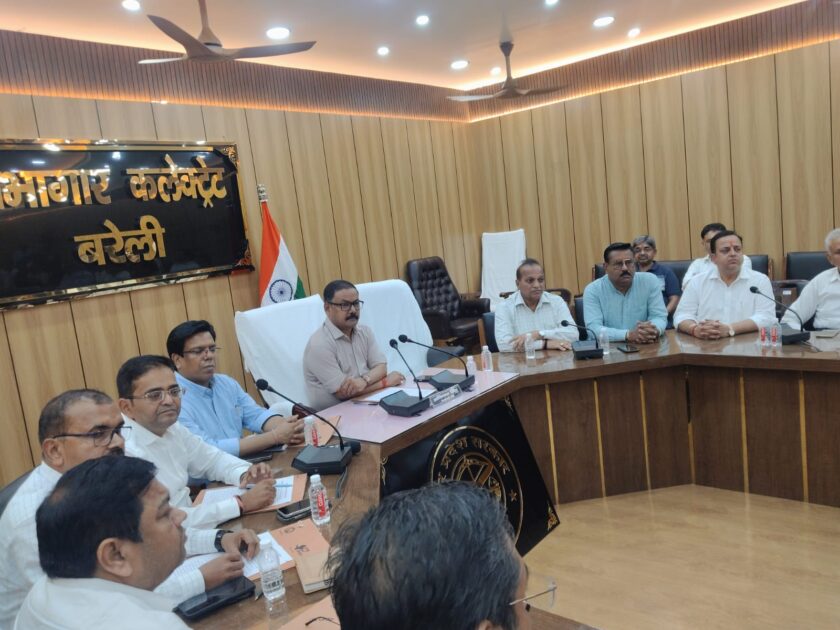
Lucknow: India and the European Union have taken a decisive step in strengthening global economic cooperation by signing a historic trade agreement, a move that is being widely welcomed by industry leaders. Describing the development as transformative, Mukesh Singh of the Indo-American Chamber of Commerce said the agreement marks “not an end point, but the beginning of a new phase in India–EU economic relations.”
Trade figures underline the growing importance of the partnership. In the fiscal year ending March 2025, India–EU trade reached USD 136.5 billion, surpassing India’s trade with the United States at USD 132 billion and with China at USD 128 billion. The agreement is expected to further accelerate this momentum by unlocking market access and lowering trade barriers on a scale not seen before.
One of the most significant outcomes of the agreement is the opening up of protected sectors in India’s market. According to an EU statement, India will substantially reduce tariffs on automobiles—from as high as 110% to around 10%—providing major opportunities for European automakers such as Volkswagen, Renault, Mercedes-Benz, and BMW.
As part of a calibrated approach to the auto sector, both sides have agreed on a framework that allows the import of up to 250,000 cars annually, each valued above €15,000, with tariff reductions of 30–35% once the agreement is implemented. This move balances market access with domestic industry interests while encouraging competition and technology inflows.
The agreement also addresses high duties on alcoholic beverages. India has proposed a phased reduction in tariffs on wine and other spirits, cutting duties from 150% to 75% initially, with a long-term goal of bringing them down to 20%. This is expected to benefit European exporters while expanding consumer choice in India.

Beyond automobiles and beverages, the deal will have a direct and wide-ranging impact on EU exports to India. Tariffs on key goods such as machinery, electrical equipment, chemicals, iron, and steel are set to be reduced or eliminated, improving cost competitiveness and strengthening industrial supply chains.
The India–EU agreement is also strategically significant in the current global context. By promoting deeper two-way trade, it helps both partners diversify economic dependencies, particularly at a time of rising global trade tensions and shifting supply chains. The Indo-American Chamber of Commerce has welcomed the agreement, viewing it as a positive step toward a more balanced and resilient global trade architecture.
Looking ahead, the agreement is expected to double EU exports to India by 2032. Tariffs will be eliminated or reduced on 96.6% of traded goods by value, potentially saving European companies around €4 billion (USD 4.75 billion) annually in duties.
As Mukesh Singh outlines, the India–EU trade pact sets the foundation for long-term growth, innovation, and strategic cooperation—signaling a historic realignment in global trade partnerships.